CFA Home and Garden Artificial Outdoor Plants

CFA Home and Garden Outdoor

Most outdoor faux plants were never built for outdoors. They were built for a shelf, photographed on a porch, then listed with the word outdoor in the title, which is why so many of them go chalky grey by the second summer and get quietly dragged to the trash.

CFA Home and Garden is the exterior side of CFA Home. Same principle we apply to wall art, moved outside: proportion first, material second, price last. Everything here is chosen to sit in real sun and real weather, in sizes that suit an actual doorway rather than a photo studio.

Naomi | Content Creator
Founder

Naomi - Luxury Look Home Decor

CFA Home and Garden Outdoor

What CFA Home and Garden Sells

Step One

Artificial Plants

Boxwood spheres, cedar spirals, olive trees, ferns, trailing ivy. Built on UV stabilized polyethylene rather than fabric, so the green you buy in spring still reads green by early autumn.

Step Two

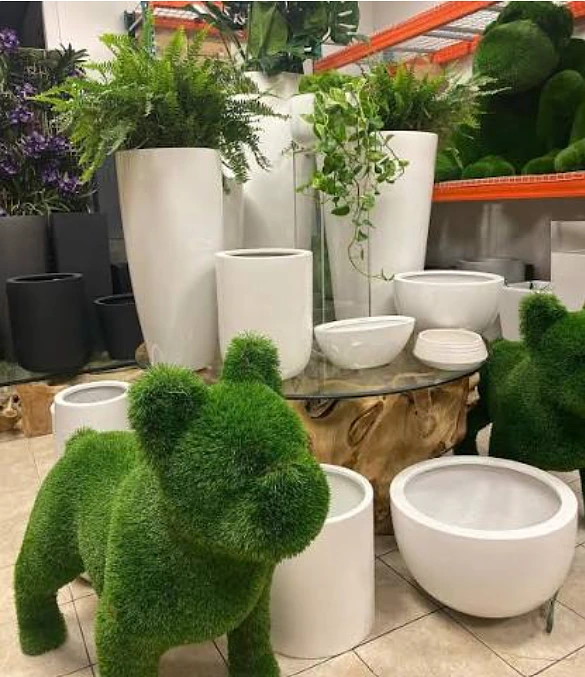
Outdoor Planters

Fiberstone, powder coated steel and glazed ceramic in tall tapered, low bowl and trough shapes. Weighted or fillable bases, drainage where you need it, sizes matched to our own plants.
Step Three

Outdoor Sculptures

Cast stone figures, weathering steel panels, abstract forms and garden statues sized for a real yard, not a showroom plinth. Finishes chosen to age outdoors instead of chip and flake.
Step Four

Luxe Exterior Design

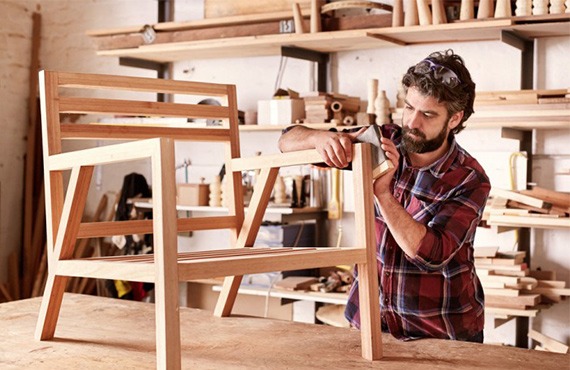
Hotel entry greenery scaled down for a house. Layered heights, repeated shapes, restrained color, the look that reads deliberate from the sidewalk rather than assembled from whatever was on sale.
Indoor Faux Plants Put Outside Fade in a Season

This is the whole reason the outdoor range exists as a separate collection.

Artificial foliage gets made from polyester, sateen, silk, PVC, PU or polyethylene. None of those resist ultraviolet light on their own. Sunlight breaks the chemical bonds in the pigment and the polymer, and the leaf goes pale, then dusty, then brittle.

There are two ways a factory answers that problem, and they are not close in quality.

Sprayed on: a standard plastic plant gets a clear UV blocking coat after it is made. Rain washes it, sun degrades it, and the color usually starts going inside six to twelve months.

Stabilized in: UV inhibitors, most often HALS (hindered amine light stabilizers), get mixed into the raw polyethylene before injection molding. The protection is inside the leaf, not sitting on top of it. Properly made outdoor stock in this format holds color for roughly three to five years, longer in shade, shorter in high-sun states.

Everything sold under CFA Home and Garden as outdoor rated is the second kind.

Does Real Touch mean UV rated? No, and this catches people constantly. Real Touch describes a soft latex coated texture that feels like a living leaf. It says nothing about lightfastness. A Real Touch stem with no UV stabilizer will still fade fast. Material and UV rating are two separate questions and you have to ask them separately.

One more thing worth knowing before you buy anything from anyone: silk and fabric leaves should never go outside at all. They fade in months and they rot.

Where the Piece Is Going Matters More Than What It Is

Sun exposure varies wildly across one property. The north corner and the pool edge are not the same environment, and the same topiary will behave very differently in each.

Front Entry And Porch

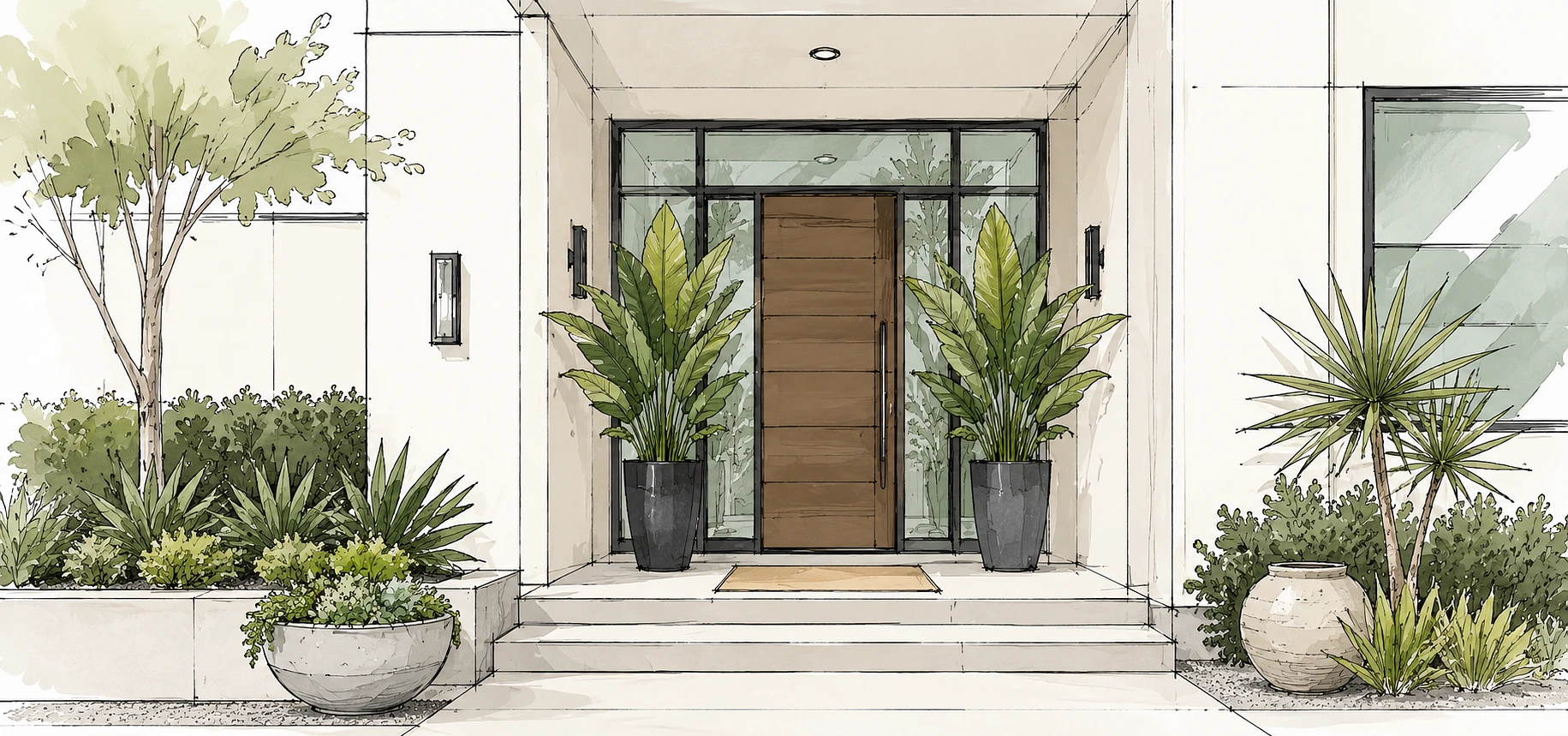
Usually partial sun with roof overhang, which is the easiest outdoor spot there is. Symmetry does most of the work here. A matched pair of topiary spheres or spirals in identical planters flanking the door will do more for curb appeal than six mismatched pieces spread around the yard.

Patio And Deck

Layer heights instead of lining everything up at one level. One tall cedar or olive, two mid height bowls, a trailing piece breaking the edge of the deck. Under a pergola or awning, peak UV drops noticeably and your pieces last at the long end of the range.

Shaded Courtyard And Side Return

The forgiving one. Low UV, low wind, and the spot where real plants usually fail because there is not enough light. Ferns, ivy and broad leaf greenery read beautifully here and will outlast anything you put in full sun by years.

Pool Edge

The hardest spot on most properties. Water reflects light back up under the foliage, so leaves take sun from two directions, and chlorine splash sits on the surface. Rinse poolside pieces with plain water every few weeks. It takes two minutes and it makes a visible difference to how long they hold.

Balcony And Rooftop

Wind is the problem, not sun. A tall plant in a light plastic pot will go over, and on a rooftop that is a safety issue rather than an inconvenience. Use weighted bases, fillable planters loaded with sand or gravel, or anchor points. We list base weight on every outdoor planter for exactly this reason.

Proportion Rules We Apply to Everything Outdoors

CFA Home was founded on the idea that proportion matters more than the piece itself. Outside, the stakes are higher, because an undersized planter beside a full height door is visible from the street.

What We Work To:

  • Plant to planter, roughly 1.5 to 2 times. A 24 inch planter carries a plant reading around 36 to 48 inches tall. Below that ratio the arrangement looks stunted.
  • Door flanking pairs, at least a third of door height. For a standard 80 inch door, that means the plant and planter together should clear about 27 inches. Most people go too small here.
  • Trailing pieces should overhang by about a third of the planter width, otherwise the spill reads accidental.
  • Topiary spheres run from 6 inches up to 36 inches, and the small end is decorative only. A 6 inch sphere in a floor planter looks like a mistake.
  • Repeat, do not vary. Three of the same sphere beats three different shapes almost every time outdoors, where you view things at distance and speed.

Ground stake or pre-potted?

Depends entirely on where it is going. Stake versions push straight into soil or into an existing bed and disappear among real planting, which is the most convincing use of faux greenery there is. Pre-potted versions drop into a decorative planter and move whenever you want to change the arrangement. Stakes for permanence, pots for flexibility.

Something people forget: an outdoor planter without drainage fills with rainwater and turns into standing water, which grows algae around the stem and gets heavy enough to crack ceramic in a freeze. Drill it or buy one drilled.

Latest Blogs

What Our Clients Say