Interior bedroom design ideas work best when they make the room easier to live in, not simply more decorated. A bedroom has to handle several everyday needs at once. It needs to be comfortable for sleeping, practical for storing clothes and personal belongings, easy to move around and calm enough to feel separate from the busier parts of the home.
A thoughtfully designed bedroom does not require matching furniture from one collection or a room filled with decorative objects. Often, the strongest interiors come from choosing fewer pieces, giving them enough space and repeating a small number of colors and materials throughout the room.
Make the Bed Wall Matter
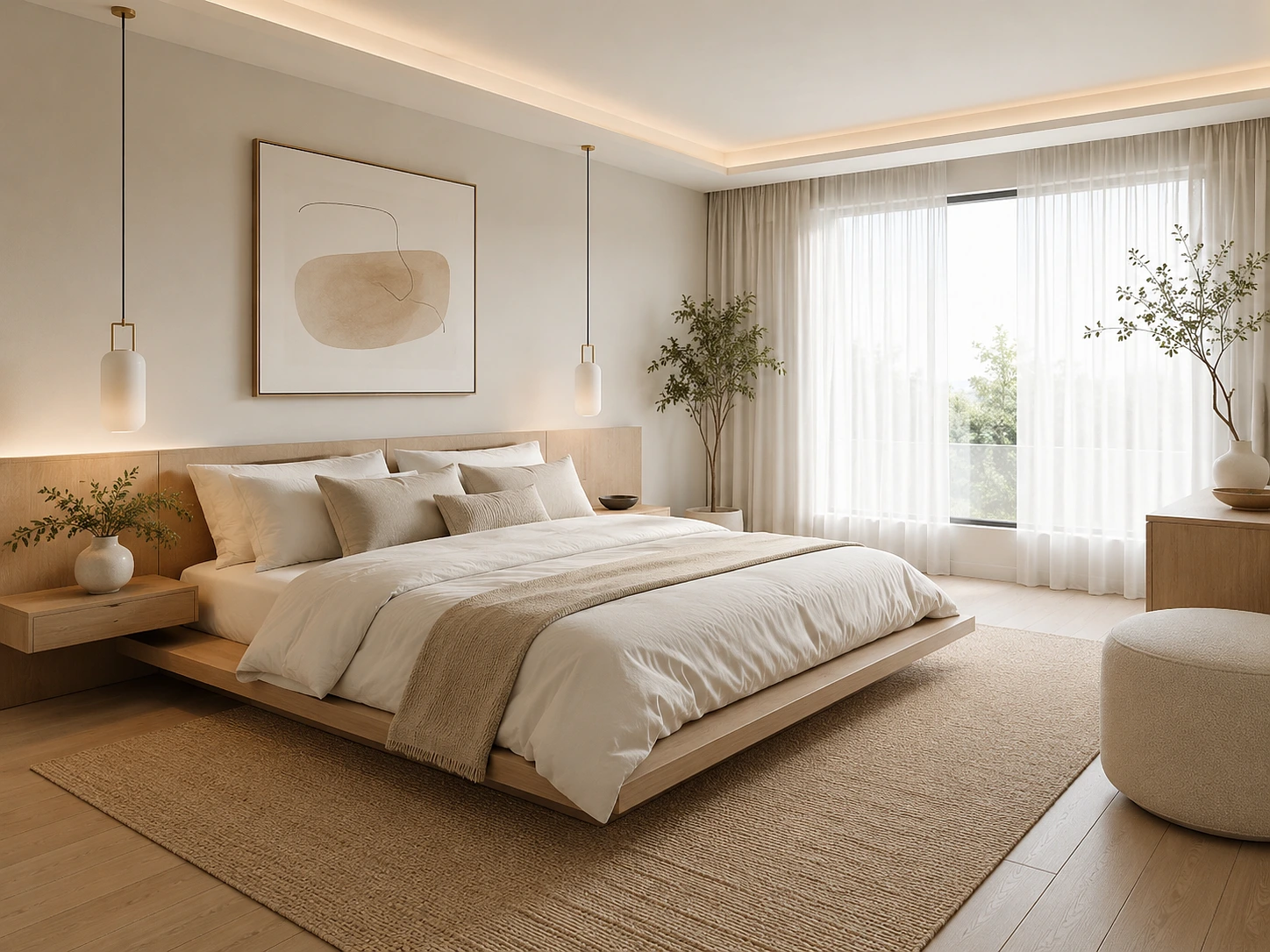
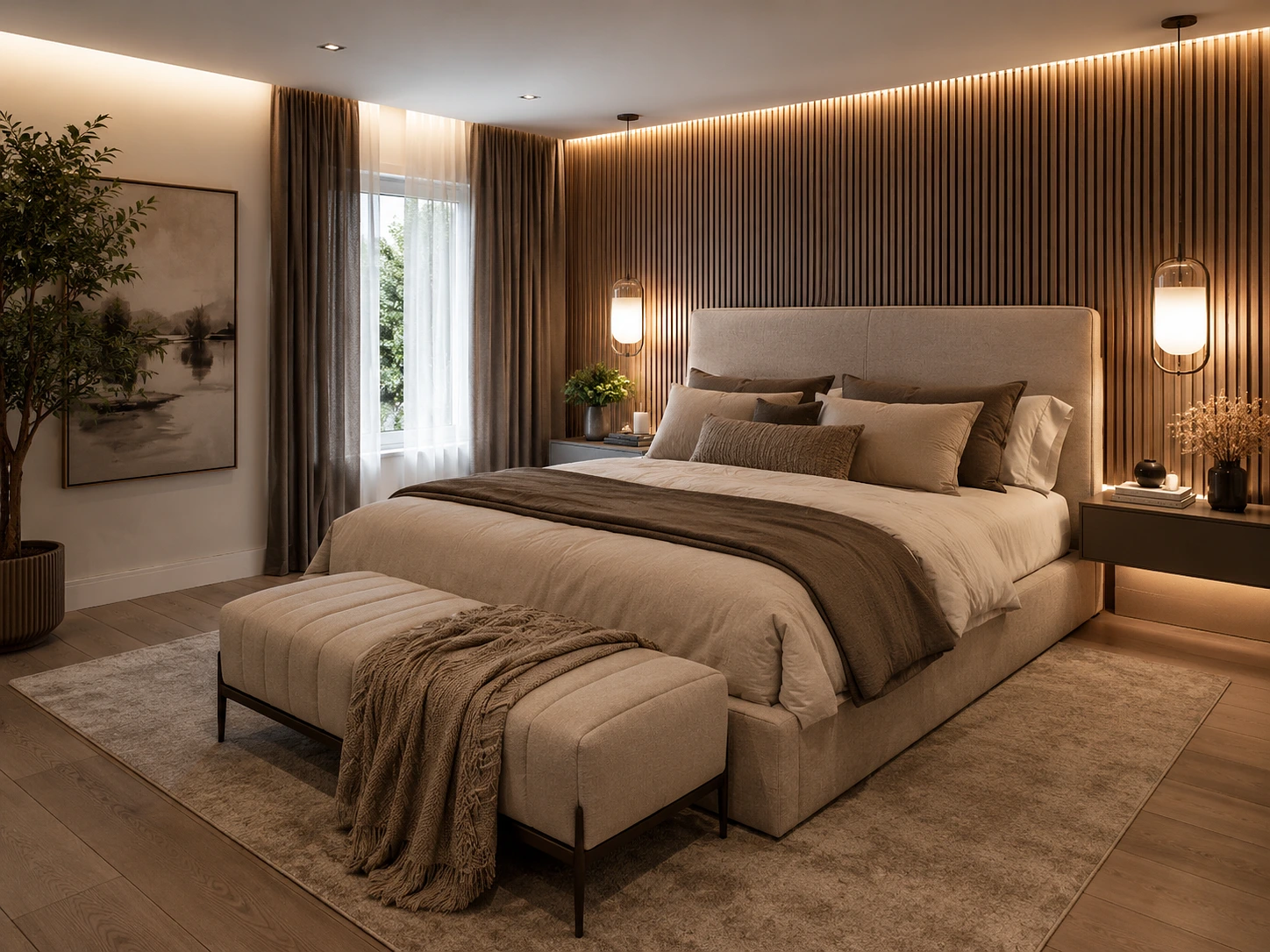
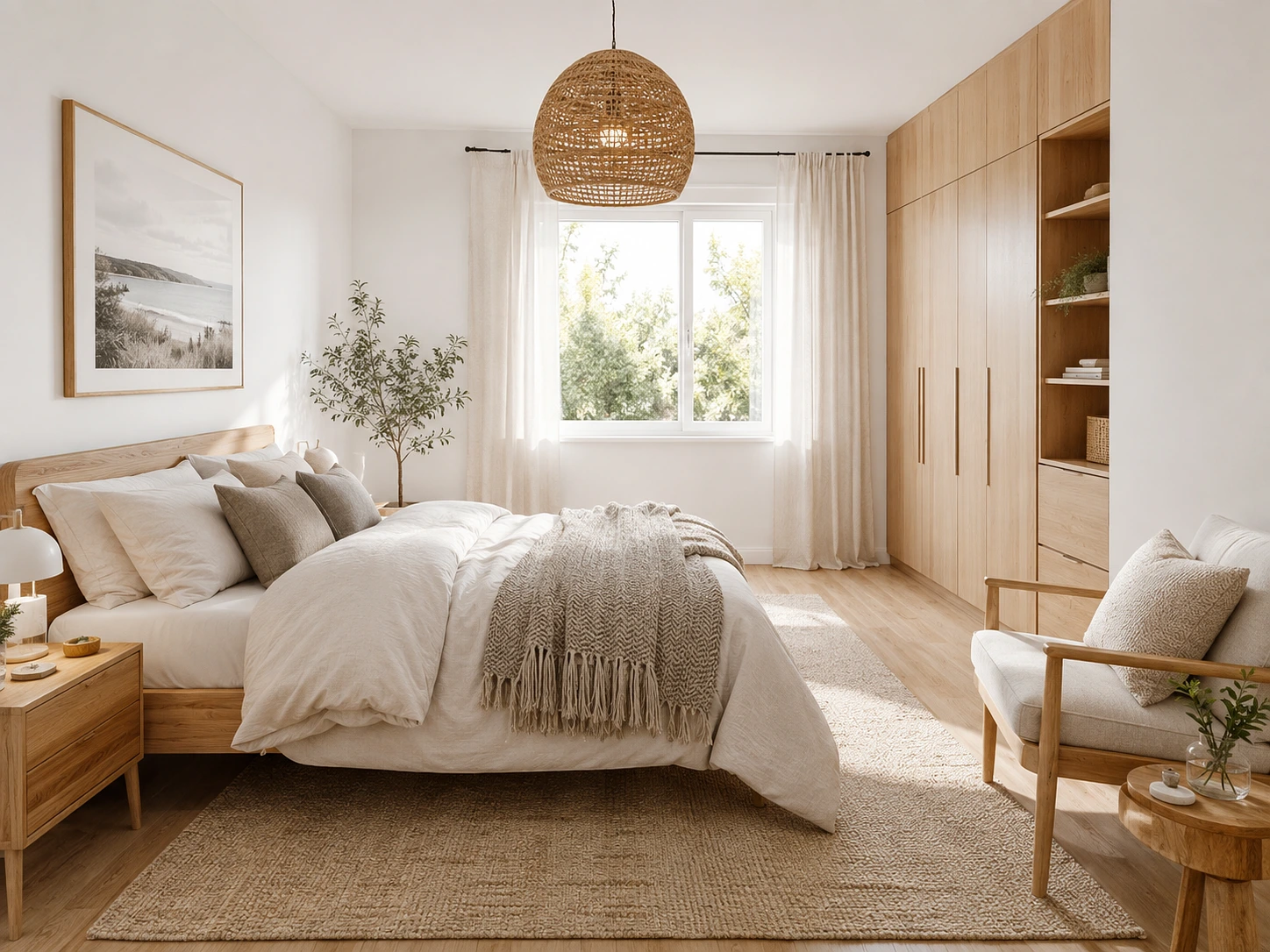
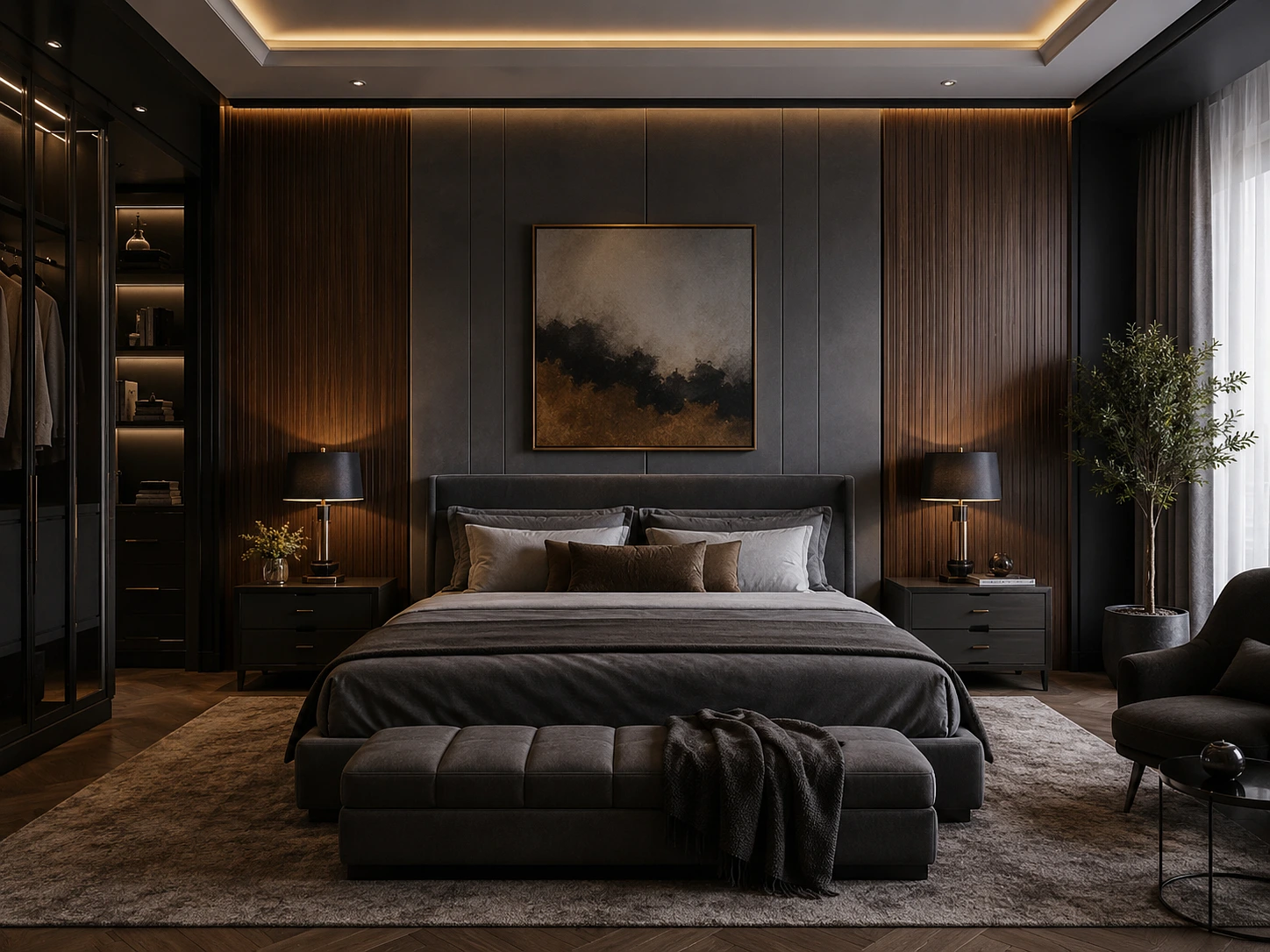
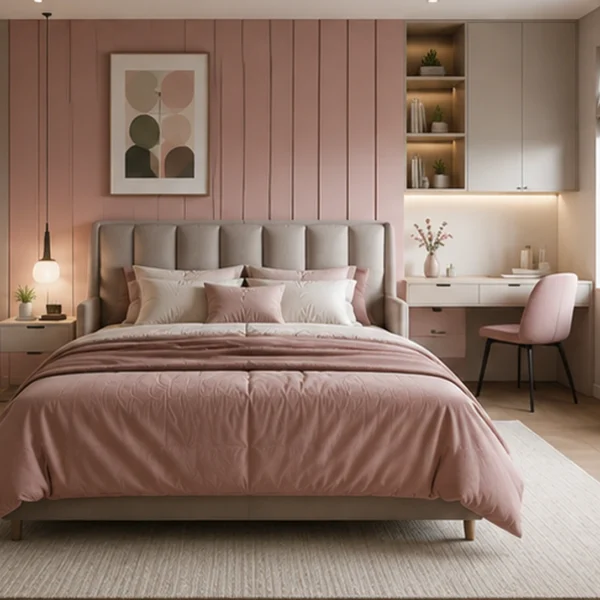
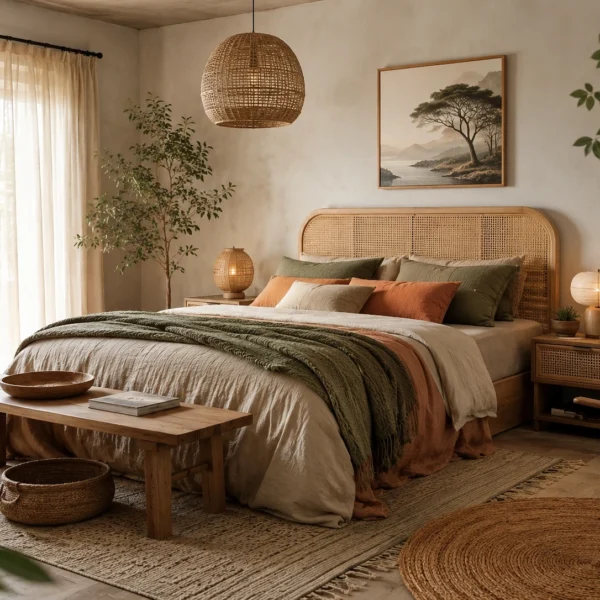
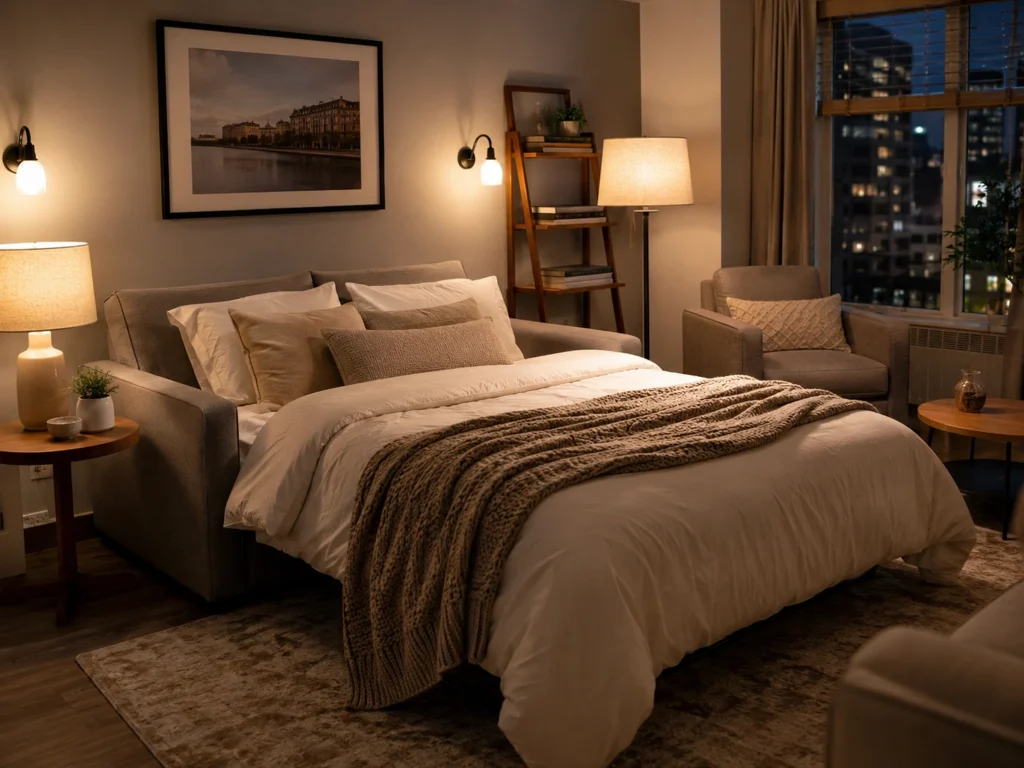
The wall behind the bed usually has the strongest visual presence in the room.
Rather than filling every bedroom wall equally, give this one a little more attention. There are several ways to make it feel finished:
- One large horizontal artwork
- A pair of coordinated framed pieces
- Textured wall treatment
- Subtle paint contrast
- Upholstered headboard
- Wall mounted bedside lighting
- Decorative wood detailing
Use Bedroom Decor After the Furniture Works
Smaller decorative pieces should come later in the process. Once the bed, storage, lighting and main layout are settled, accessories can make the room feel personal without having to solve practical problems.
CFA Home’s bedroom decorations section can be useful at this stage, when the room needs finishing touches rather than more large furniture.
Consider adding only a few elements, such as a vase, mirror, decorative tray, artwork, small plant, textured cushion or throw.
Interior Bedroom Design Ideas for Small Rooms
A smaller bedroom benefits from decisions that preserve visible floor area.
Useful approaches include:
- A simple bed frame
- Under bed storage
- Floating bedside shelves
- Narrow nightstands
- Tall rather than wide storage
- Wall mounted lighting
- Vertical artwork
- One well positioned mirror
- Furniture with visible legs
Choose Furniture Materials Carefully
Bedroom furniture can be made from solid timber, veneers, engineered wood, metal, upholstery, glass or combinations of these materials.
Natural wood can introduce grain and warmth. Upholstery softens the room. Metal can create slimmer furniture profiles. Engineered wood can provide consistent surfaces and is commonly used in furniture construction.
Where furniture contains regulated composite wood materials, the U.S. Environmental Protection Agency provides consumer information on composite wood and U.S. formaldehyde-emission requirements.
Think About Furniture Safety
Tall bedroom storage deserves particular attention. Dressers, wardrobes, shelving and other furniture with doors or drawers should be installed according to the manufacturer’s instructions.
The U.S. Consumer Product Safety Commission advises consumers to anchor furniture with drawers, doors and shelves to the wall to reduce tip over risks. Its furniture safety guidance provides further information on securing furniture.
Bedroom Design Information
| Feature |
Details |
| Design Type |
Interior Bedroom Design |
| Main Purpose |
Sleeping, storage, dressing and relaxation |
| Core Furniture |
Bed, bedside tables, dresser or wardrobe |
| Optional Pieces |
Bench, chair, vanity, additional storage |
| Popular Materials |
Wood, engineered wood, metal, upholstery, glass |
| Common Color Direction |
Neutral foundation with muted or warm accents |
| Useful Wall Decor |
Canvas art, framed artwork, mirrors |
| Lighting Approach |
General, bedside and accent lighting |
| Storage Ideas |
Wardrobes, drawers, under bed storage, tall cabinets |
| Best Small Room Approach |
Fewer multifunctional pieces |
| Best Large Room Approach |
Create functional zones |
| Safety Consideration |
Proper assembly and anchoring of suitable furniture |
| Care |
Follow each material and manufacturer’s instructions |
 Bedroom
 Coffee Tables
 Dining Tables
 Garden Decor
 Living Room
 Painting Art
 Wall Art

Reviews
Clear filtersThere are no reviews yet.