 Bedroom
 Coffee Tables
 Dining Tables
 Garden Decor
 Living Room
 Painting Art
 Wall Art


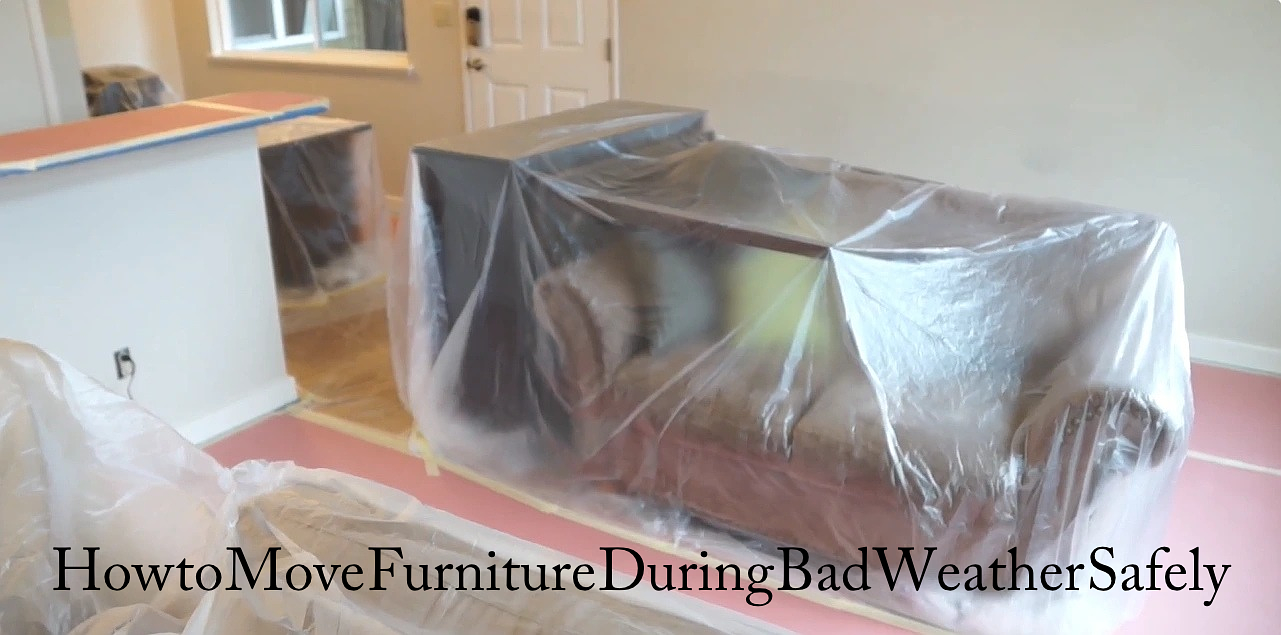
Wrap wood furniture in a moving blanket before any plastic goes on. Park the truck as close to the door as it’ll get. And take the plastic off the same night you arrive. Those three things prevent most of the damage people blame on rain, and the last one is the one that gets forgotten, usually because everyone’s exhausted by then.
The rest depends on the weather you’re dealing with and what you’re moving.
Why the Order of Wrapping Matters
A blanket first, then stretch wrap over it. The blanket protects the finish, and the plastic keeps the blanket from soaking through.
Putting plastic straight on wood is where things go wrong. Wood needs air, and condensation forms under bare plastic and sits against the finish. I’ve seen what that does to a dresser top a cloudy, whitish film that looks like someone set down a hot mug everywhere at once. It mostly fades with time and a fan. Mostly.
Some guides say the opposite, with plastic first and blankets on top. For metal or plastic patio chairs, sure, it hardly matters. For wood, leather, or a finish you care about, the blanket touches the furniture.
Leather follows the same rule as wood. Plastic directly on leather can trap moisture, which leads to mold or warping. A fabric sofa is different. You can stretch wrap it directly, as long as the cushions go in dry.
Mattresses go in sealed mattress bags. Mirrors, glass tabletops, and framed art get bubble wrap or foam, then something waterproof over that, because rain loves the little gaps around frames.
The Walk From the Door to the Truck
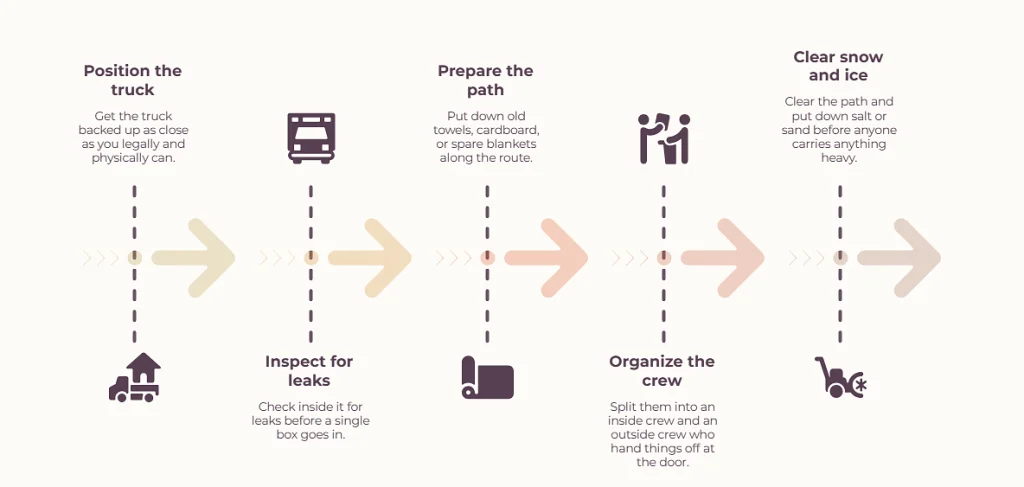
This is where furniture actually gets wet, not in the truck.
Get the truck backed up as close as you legally and physically can. Check inside it for leaks before a single box goes in. A torn roof seam on a rental truck isn’t rare, and plastic plus duct tape will hold for a day.
Inside the house, put down old towels, cardboard, or spare blankets along the route. If there are enough people, split them into an inside crew and an outside crew who hand things off at the door. That keeps wet shoes out of the house and makes everything move faster. It feels fussy until you’ve scrubbed mud out of a hallway runner.
Snow and ice change the priority. Clear the path and put down salt or sand before anyone carries anything heavy. A dresser dropped on an icy step is bad. A person under it is worse.
Cold Days and Hot Days
Nobody calls a heat wave “bad weather” on moving day, but it is.
Electronics that ride in a freezing truck need to warm up indoors before you plug them in. Condensation forms inside them otherwise. Give a TV an hour or two on its own before turning it on. Cold wood and leather crack more easily too, so don’t force a stiff recliner through a tight door frame.
In summer, a closed truck gets much hotter than the air outside. Candles, vinyl records, glued furniture joints, and electronics shouldn’t sit in there all afternoon. Load those last and unload them first.
Once Everything’s Inside
Unwrap it all the same day. Plastic that kept the rain out also keeps damp air in, and furniture left sealed overnight can pick up mildew, mold, or water marks.
Then take a few minutes to check:
- under cushions and inside drawers.
- around the joints and legs, where water sits unnoticed.
- the bottoms of anything that was set down on a wet driveway, even briefly.
Wipe damp spots with a dry towel. If a dresser feels cold and clammy, pull the drawers out and let the air get into it for a few hours. A fan helps more than you’d think.
If the forecast shows a full day of heavy rain or real snow, and the date can move at all, moving it by a day beats every wrapping trick here. A lot of people won’t consider it because the truck is booked and the lease ends Friday. That’s fair. Just buy twice the blankets you think you need, because you’ll run out right when you get to the good furniture.